

Photodynamic therapy (PDT) is a light-based, non-surgical skin cancer treatment that targets abnormal surface cells while sparing healthy skin.
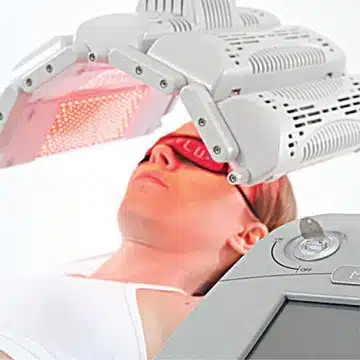
How It Works
- Cream application. A doctor applies a light-sensitive cream (such as 5-aminolevulinic acid) to the skin, which absorbs into precancerous or early cancer cells.
- Light activation. After a short waiting period, a special red or blue light—or controlled outdoor daylight—shines on the area. This triggers a reaction that destroys the abnormal cells.
Conditions Treated & Effectiveness
Clinical studies show strong clearance rates for surface-level skin issues, though deeper cancers still require surgery.
| Condition | What It Is | How Well PDT Works |
| Actinic Keratosis (AK) | Rough, scaly precancerous sunspots. | 85% to 90% clearance, with smooth cosmetic healing. |
| Superficial Basal Cell Carcinoma | A slow-growing, surface-level skin cancer. | 80% to 97% short-term clearance, making it a strong alternative to surgery for low-risk spots. |
| Bowen’s Disease | Very early, surface-level squamous cell skin cancer. | 86% to 93% clearanceafter two sessions, ideal for large spots or slow-healing areas like the lower legs. |
Note: PDT is not used for deep or invasive skin cancers because the light cannot reach deep enough into the skin.
What to Expect as a Patient
- Comfort options. Traditional clinic lights can cause temporary stinging or burning, while daylight PDTuses natural outdoor light for a nearly painless experience.
- Recovery. You will experience temporary redness, swelling, and peeling—similar to a sunburn—that typically heals within 1 to 2 weeks with minimal scarring.
- Aftercare. You must strictly avoid direct sunlight and bright indoor lights on the treated area for 24 to 48 hours after your appointment to prevent further skin reaction
SUM Health Skin
Town Square, Redbank Plains
For further information and book appointments please call 0731771020